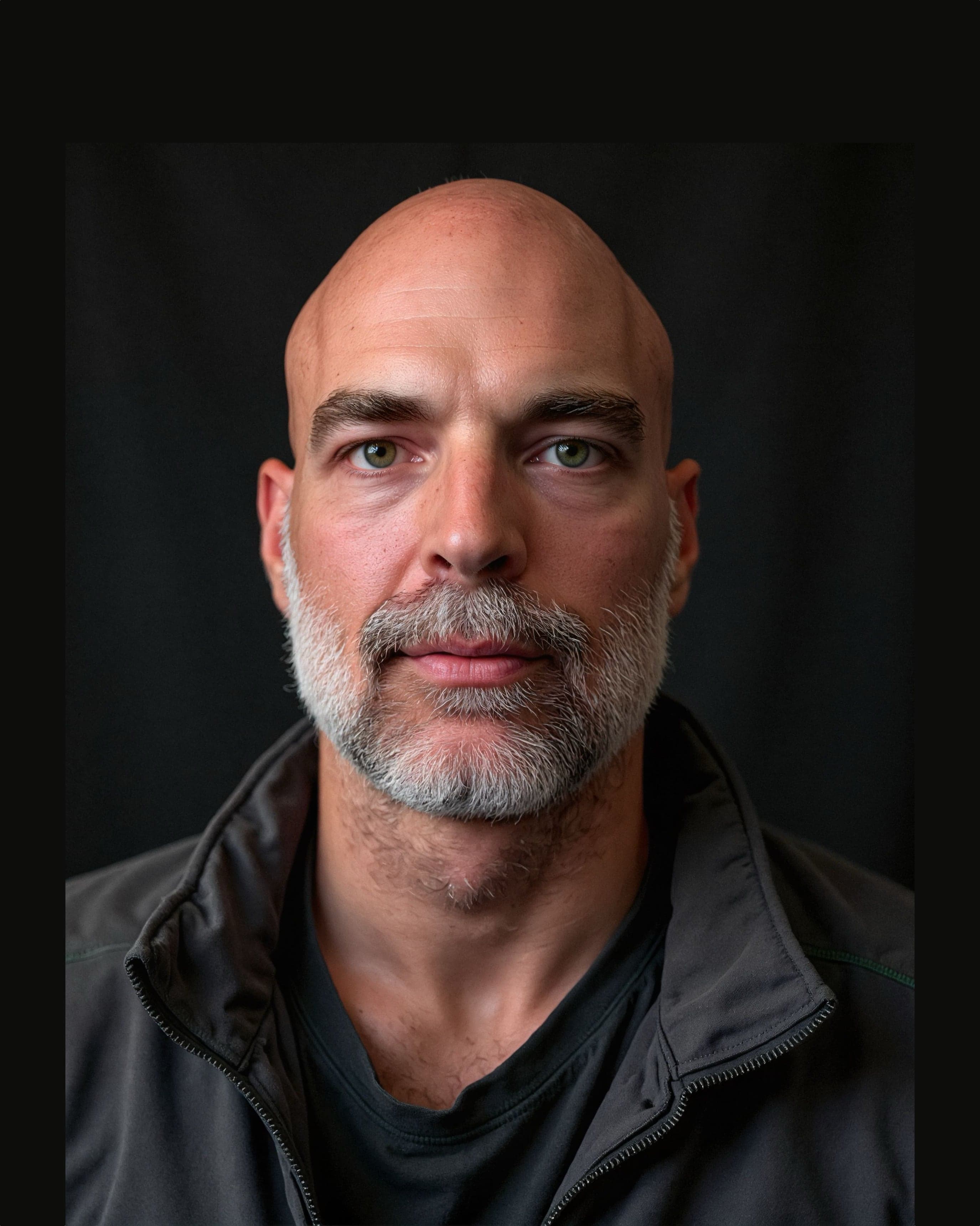
Engineer by Training. Mentor by Choice.
I built Engineering Confidence for serious students in demanding courses and for the bright kid school never fit.
My job is to take their thinking seriously, help them understand how it works, and build the tools and systems that let it become an asset in school and beyond it.
What 3,000 Hours Taught Me
At Fusion Academy, a school built around one-to-one learning, I recorded more than 3,000 hours of my sessions, and I built the tooling that reads every transcript after every session. What it catches is what I missed: where a student's energy dropped, where their reasoning went sideways, or where they needed another thirty seconds. Those observations shape the next session; the technology supports my judgment rather than replacing it.
Families see that system's output directly: a written summary after every session, drawn from the full transcript, and a typeset guide to every problem we worked. One practice set per session targets what needs strengthening, and every problem the student returns is graded. It runs both ways: my students study how they think, and I study how I teach. Metacognition is not just a lesson topic. It shapes how I run the practice.
Here is what the patterns taught me:
Students often arrive with more than a content gap. They are also carrying what school has taught them about themselves. A student who has been told — through grades, grouping, or the quiet exclusion of being “too much” or “not enough” — that their mind is the problem may need more than a better explanation of quadratic functions. They need help translating the way they think into something they can use.
When a student says, “I'm not good at this,” I add one word: “...yet.”
That's not a feel-good platitude. It's a complete reframing of what's possible. It requires a working relationship where the student feels respected enough to be honest about what they do not understand.
The Path That Led Here
I studied electrical and computer engineering at UT Austin, where I finished at the top of Yale Patt's computer architecture course and was invited to work alongside his doctoral students for three years. From there, I joined National Instruments' engineering leadership program and became its youngest district manager, leading the Bay Area.
Later, I built my own investment firm and passed all three CFA exams on the first attempt. I then joined a cybersecurity startup as its third employee and built its sales engine into an eight-figure operation before McKinsey came calling. Microsoft then recruited me for a director role. Each chapter taught me something different about systems, judgment, communication, and what it takes to stay composed when the work is hard.
One-to-one education brought those lessons together in a way no previous role had. The question that started with a Nintendo became something larger: how do you help a student understand the way their mind works and use it deliberately?
Today that question is my full-time work. Most recently I served as an Elite Guide at GT School — part of the Alpha school network — working one-on-one with gifted learners. Now this practice is where the work goes deepest.
It Started With a Nintendo
When I was seven, my first thought was, “This is amazing.” My second: “But how does this work?” No one could answer — not really. All I saw was a system, a code, a mystery waiting to be solved. That question took me all the way into the study of computer architecture.
When adults said, “It's too complicated,” I heard a casual dismissal of curiosity. I became the person I wish I'd met then: someone who explains how things work, meets questions with respect, and does not talk down to a student for wanting the real answer.
Complex ideas aren't hard to understand. They're just rarely explained with clarity.
What I Actually Build
This is a professional service, but it is not transactional tutoring. It is ongoing work with a student and their family: prepared sessions, a worked guide, a set built from where the work got hard and graded when it comes back, and a written report that evening. The goal is a student who runs the system without me.
Families often arrive through one of two doors: AP and honors STEM tutoring for demanding coursework and what comes after it, or tutoring and mentorship for a 2e or gifted student whose ability and school experience no longer line up. The work can move between both without a handoff.
Students need a space where they can be wrong, question an explanation, and show their actual reasoning without being talked down to. I am candid with them, and I ask for the same in return. That trust makes the academic work more accurate and the mentorship more useful.
Meaningful change can be uncomfortable, and it rarely arrives on a fixed schedule. I do not promise quick fixes. I offer a mirror, a framework, and the patience to let a young person discover what they are capable of.
I also teach that keeping your word matters. Not as a lecture, but by modeling preparation, candor, and follow-through in the work itself.
Why I Stay With This Work
I chose this practice because serious students in hard courses — and the quietly brilliant, deeply curious kids school never fit — deserve serious, patient support from an adult who respects both their ability and their agency.